Life lessons from Baahubali extend far beyond the silver screen, offering a masterclass in integrity, leadership, and the indomitable human spirit. While the film is celebrated for its breathtaking visuals and epic scale, the core of the story lies in the profound values exhibited by its characters. By analyzing the journey of Amarendra and Mahendra Baahubali, we can uncover timeless principles that are remarkably applicable to our daily lives and personal growth.
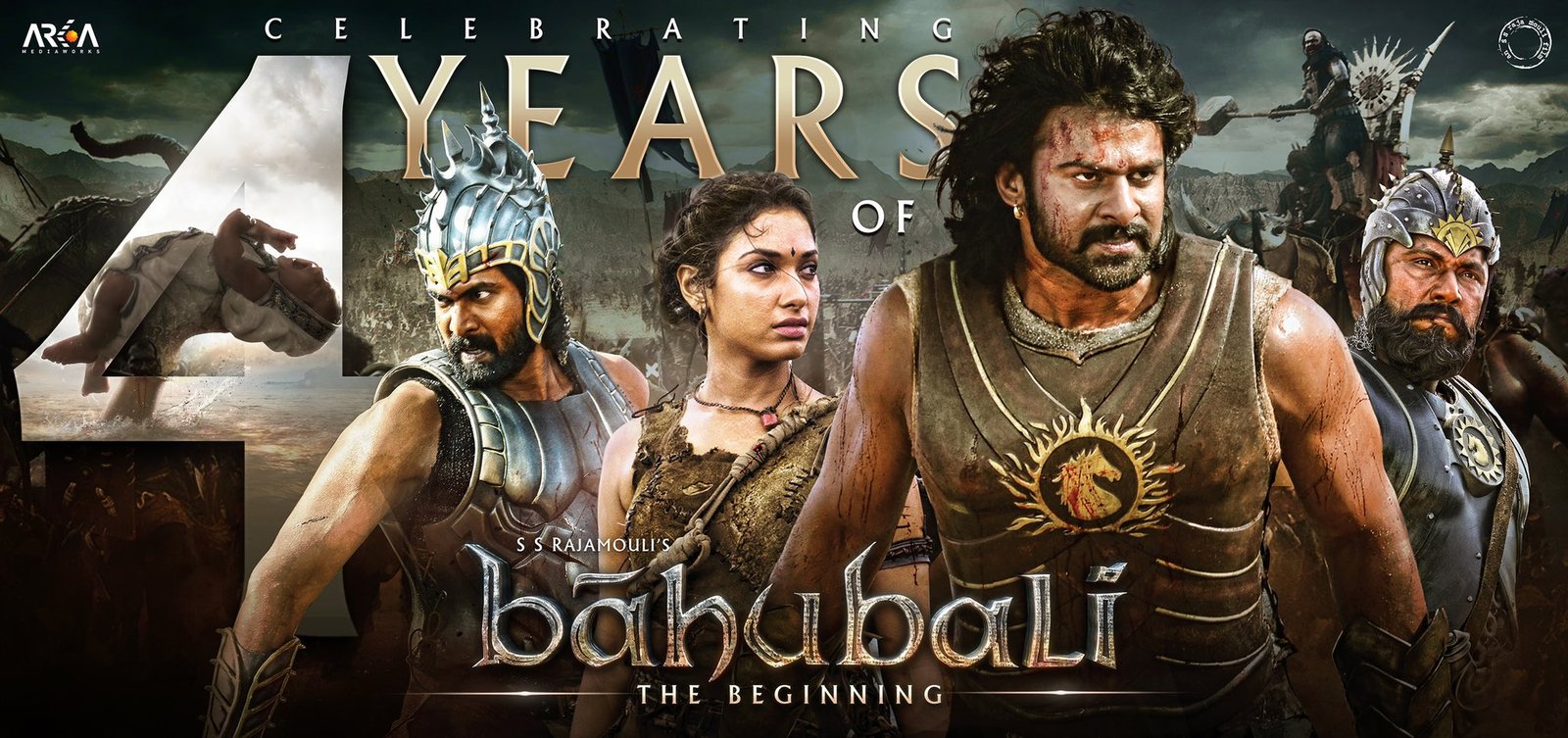
Baahubali – The Beginning Movie Poster – Image Courtesy: @BaahubaliMovie XTwitter Handle.
Life lessons from Baahubali extend far beyond the silver screen, offering a masterclass in integrity, leadership, and the indomitable human spirit. While the film is celebrated for its breathtaking visuals and epic scale, the core of the story lies in the profound values exhibited by its characters. By analyzing the journey of Amarendra and Mahendra Baahubali, we can uncover timeless principles that are remarkably applicable to our daily lives and personal growth.
In a world that often feels chaotic and transactional, the saga of Mahishmati reminds us that who we are matters more than what we possess. Let’s dive deep into the heart of this epic to extract wisdom that can transform your perspective.
1. The Power of Integrity: Life Lessons from Baahubali.
One of the most striking life lessons from Baahubali is the unwavering commitment to truth. When Amarendra Baahubali was asked to choose between his kingdom and his word (protecting Devasena’s honor), he didn’t hesitate. He chose his principles.
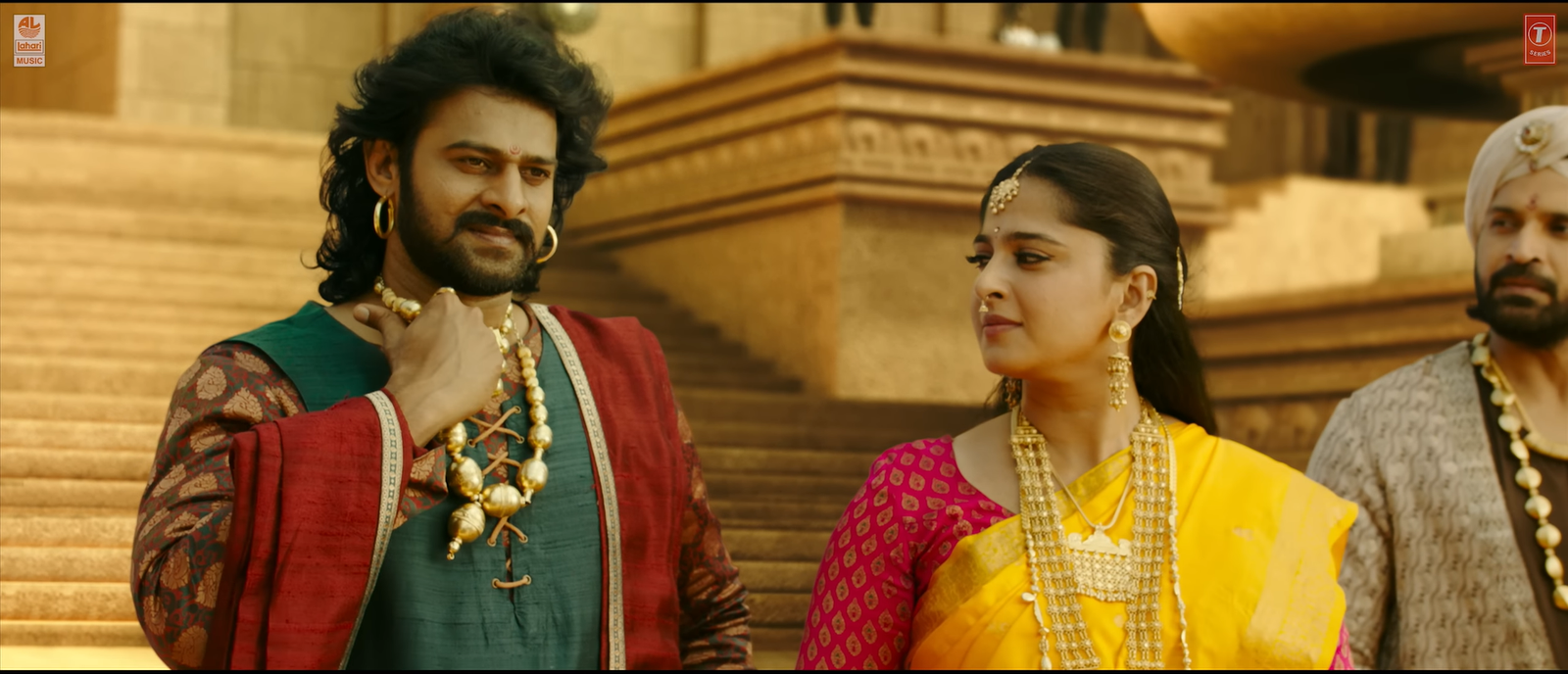
Amarendra Baahubali on the throne illustrating life lessons from Baahubali about integrity. Image Courtesy: Dandalayya Video song from Lahari Music YT Channel.
In our modern lives, we are often tempted to take shortcuts or compromise our values for a promotion, social status, or temporary gain. Baahubali teaches us that a “crown” won at the cost of your conscience is a heavy burden, but living with integrity makes you a king even without a throne.
2. Why Empathy is One of the Best Life Lessons from Baahubali:
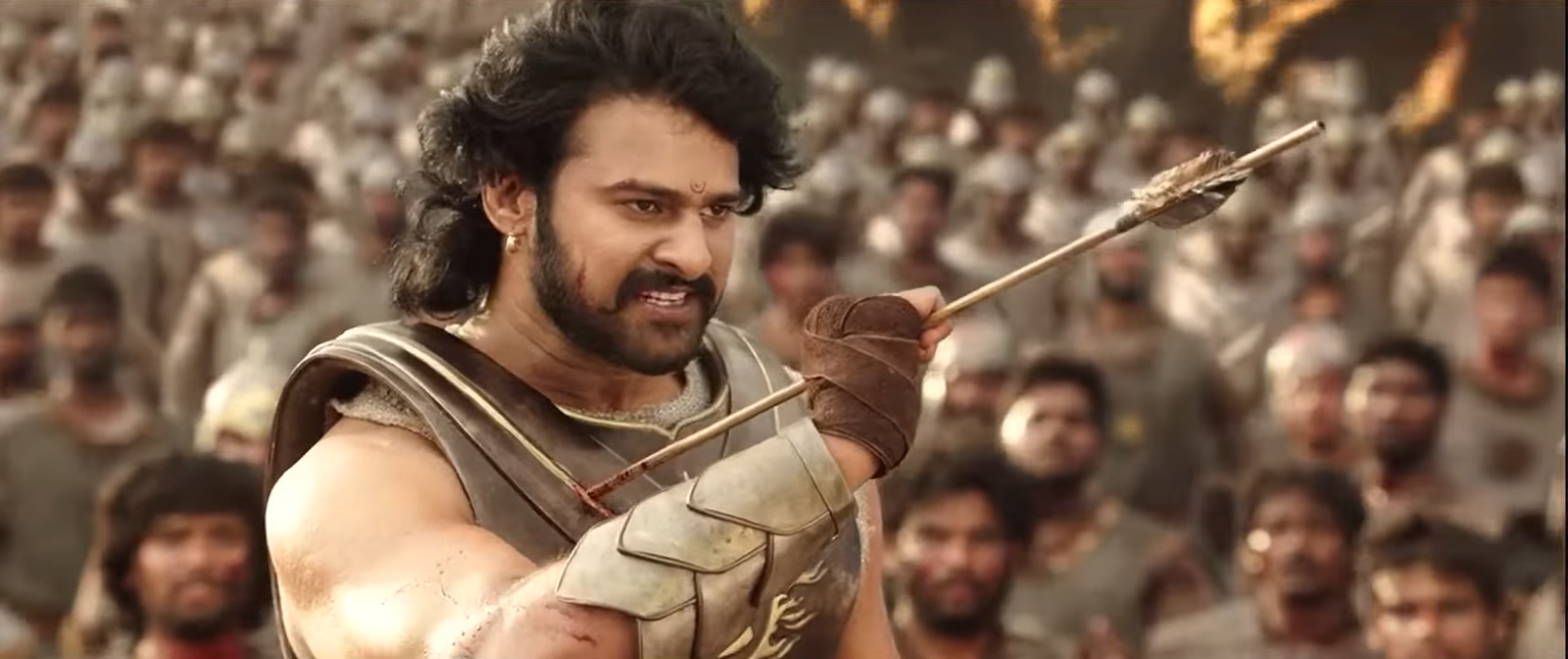
Traditional leadership often focuses on authority, but Baahubali redefined it through empathy. During the war against the Kalakeyas, while Bhallaladeva was focused on the body count to win the throne, Amarendra was focused on saving the innocent civilians caught in the crossfire.
Empathy: The True Mark of a Leader. Image Courtesy: Saahore Baahubali video song from Lahari Music,YT Channel
This teaches us that true success isn’t about stepping over others to reach the top. It’s about how many people you lift up along the way. Whether you are a manager, a parent, or a student, remember that people follow titles, but they commit to hearts.
3. Strategic Innovation: Practical Life Lessons from Baahubali
In the battle sequences, we see a recurring theme: intelligence scales better than raw power. When the army was stuck behind massive shields, Amarendra used oil-soaked tents to create a firestorm. When the gates were closed, he used palm trees as catapults.
Innovation Beats Brute Force – used palm trees as catapults. Image Courtesy: 4Kclips&Trailers, YT Channel
These lessons from Baahubali remind us that resources are limited, but creativity is infinite. When you face a “brick wall” in your career or personal life, don’t just keep hitting it harder. Step back, look at the tools you have, and innovate a new way over the wall.
4. The Strength of a Woman’s Resolve:
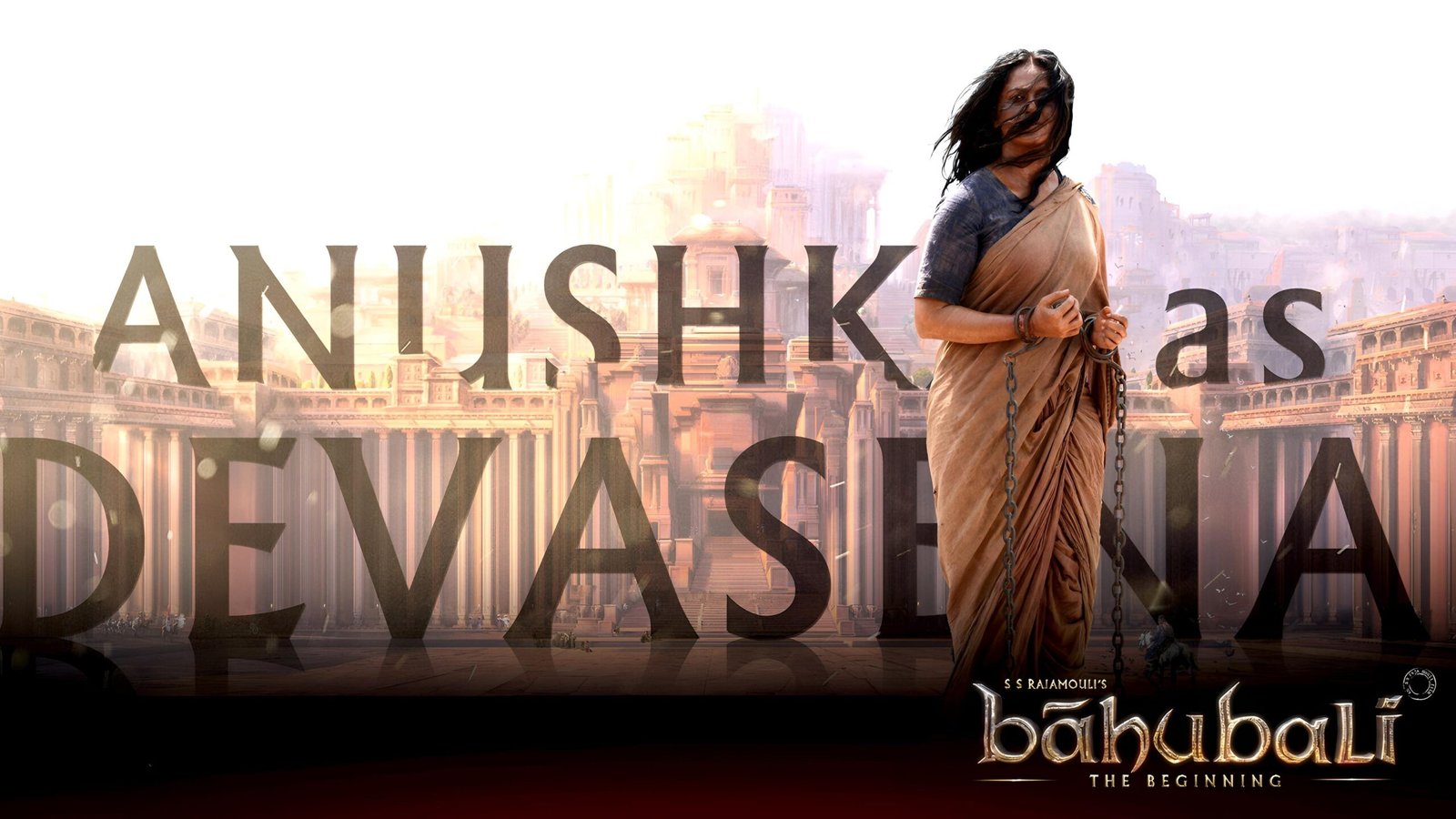
The movie isn’t just about the men. Sivagami and Devasena represent two different but equally powerful forms of strength. Devasena’s 25-year wait in chains is a testament to the power of hope and patience. She didn’t break; she waited because she knew justice would come. When we look at Devasena’s struggle, the life lessons from Baahubali remind us that patience is a weapon, not a weakness.
The Strength of a Woman’s Resolve – Image Courtesy:@ Vikhyat_7 XTwitter Handle.
We all face “winters” in our lives—periods where we feel stuck, ignored, or unfairly treated. Devasena teaches us that patience isn’t passive; it is a fierce, active form of endurance that keeps the fire of our goals burning until the timing is right.
5. Duty Should Be Driven by Dharma, Not Blind Obedience:
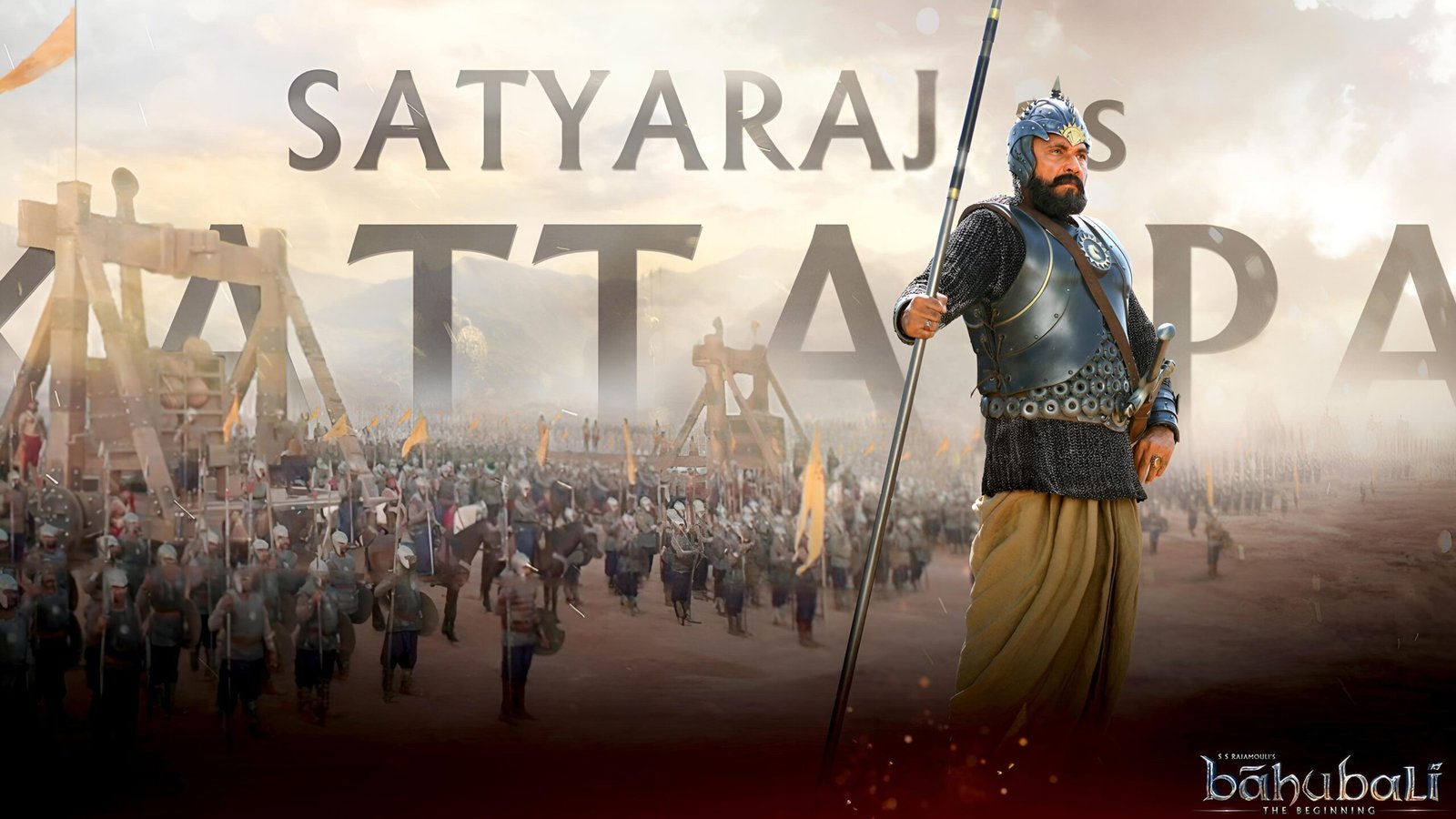
Kattappa is perhaps the most complex character. His blind loyalty to the throne forced him to kill the man he loved most. This serves as a cautionary tale within the broader life lessons from Baahubali. Kattappa’s dilemma is a tragic example of why we must evaluate the life lessons from Baahubali regarding blind loyalty versus moral truth.
Duty Should Be Driven by Dharma, Not Blind Obedience – Kattappa. Image Courtesy: @Vikhyat_7 XTwitter Handle.
It forces us to ask: Are we following “rules” that have lost their soul? Sometimes, doing what is “legal” or “expected” isn’t the same as doing what is right. We must have the courage to question traditions or systems that cause harm, rather than following them into the shadows of regret.
Check Out the Latest Interview of Baahubali Team:
6. Overcoming Fear is a Mental Game:
Remember the scene where the young Mahendra (Shivudu) climbs the waterfall? He didn’t have a map or professional gear; he had an obsession and a vision. Later, before the great battle, Amarendra tells his trembling soldiers, “What is death? To live in fear is death.” As Mahendra climbs the peak, we see one of the most inspiring life lessons from Baahubali: that vision must always be larger than your fear.
Overcoming Fear is a Mental Game – Image Courtesy: From YT.
Fear is a natural human emotion, but it becomes a prison when we let it dictate our boundaries. Whether it’s starting a new business or speaking your truth, the lesson here is clear: The “waterfall” is only as high as your mind perceives it to be.
7. The Impact of Toxic Comparison:
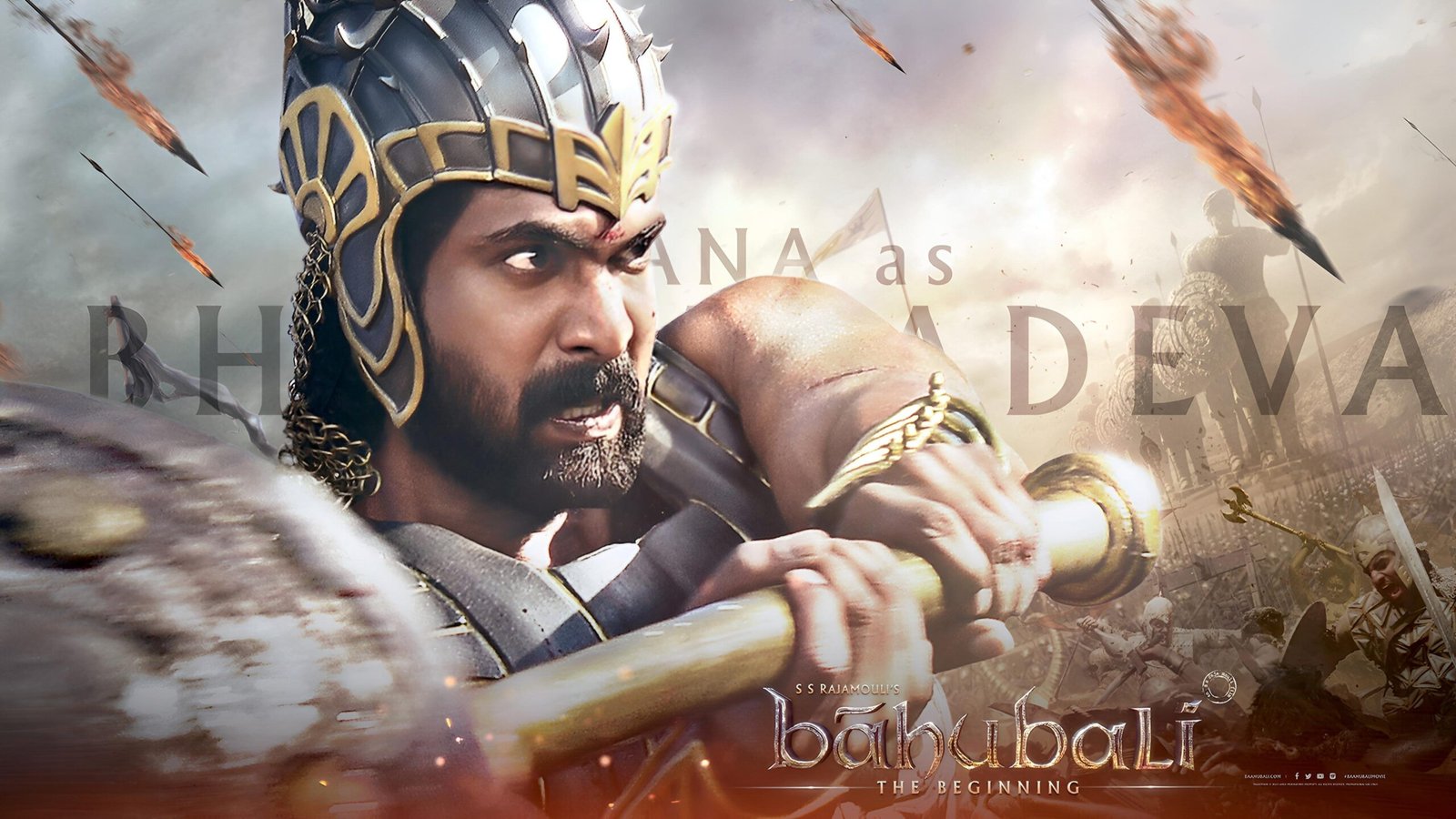
On the flip side, the character of Bhallaladeva offers a dark but necessary lesson. His entire life was consumed by a toxic comparison with Baahubali. He didn’t want the throne because he wanted to rule; he wanted it because he didn’t want Baahubali to have it.
The Impact of Toxic Comparison – Image Courtesy: @Vikhyat_7 XTwitter Handle.
This is a vital lesson for the social media age. Comparing your “behind-the-scenes” with someone else’s “highlight reel” only breeds bitterness. Bhallaladeva had everything—strength, wealth, and power—but he was never happy because his eyes were always on his brother’s plate. Focus on your path, not your neighbor’s.
8. Resilience in the Face of Betrayal:
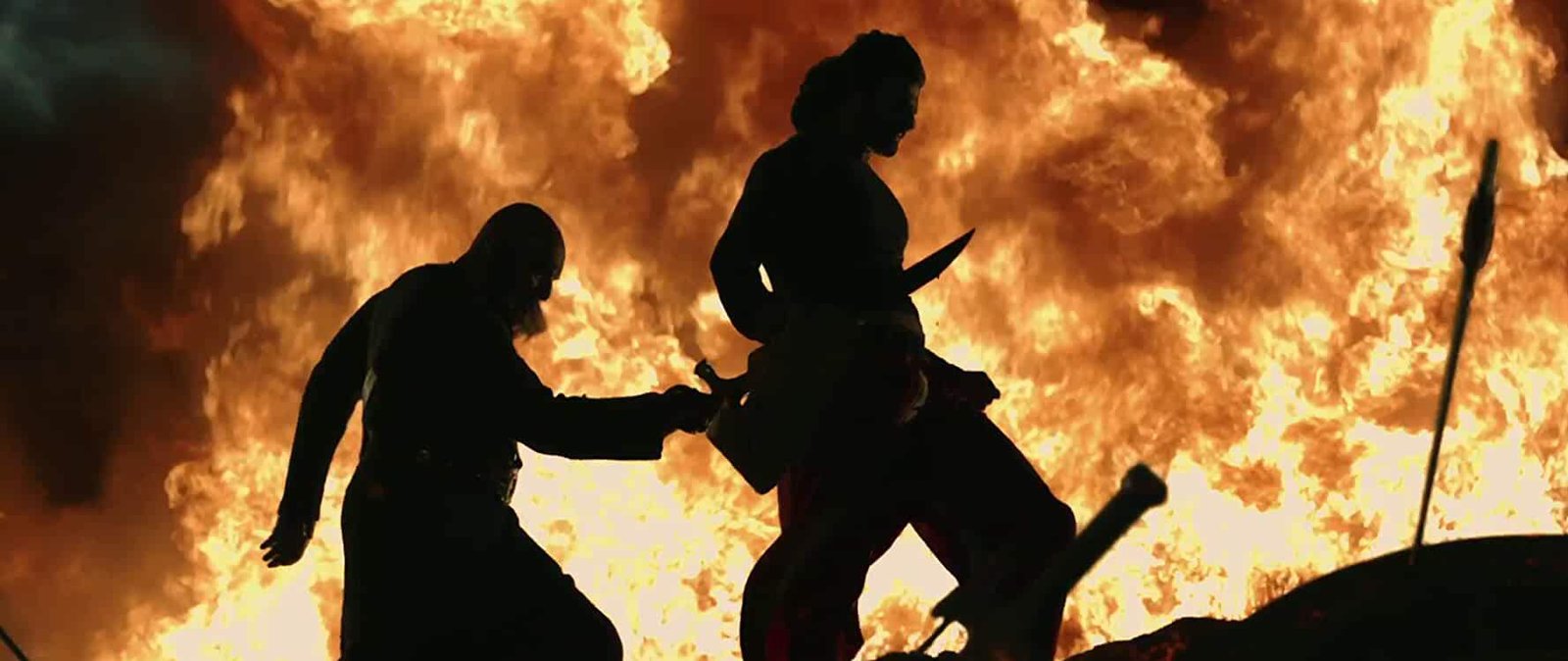
Baahubali was betrayed by the people he trusted most—his mother figure and his loyal guard. Yet, even in his final moments, he showed no malice. He accepted his fate with dignity because he knew he had lived well.
Resilience in the Face of Betrayal – Image Courtesy: @idlebrainjeevi XTwitter Handle.
Life will inevitably throw curveballs. Friends may change, and plans may fail. Resilience isn’t about never falling; it’s about maintaining your character when you do. How you handle your “lowest” moments defines your “highest” self.
A Personal Reflection: The Heartbreak of Unfairness:
On a personal note, I still vividly remember sitting in a packed theatre with my family, witnessing the moment that shook a nation. As Kattappa’s sword pierced Amarendra Baahubali’s back, a heavy silence fell over the room, broken only by the muffled sobs of my parents and siblings. In that moment, we weren’t just watching a film; we felt a deep, visceral connection to the profound innocence and purity that Prabhas brought to the character.
It is a sobering exercise to reflect on the life lessons from Baahubali through the lens of his suffering. The mother figure he worshipped sentenced him to death. The brother he respected systematically dethroned him. Finally, the uncle who raised him literally backstabbed him. These events force us to confront a harsh reality: life is often fundamentally unfair.
Amarendra’s journey teaches us that even the most virtuous among us may face a fate they did not earn.
Yet, his strength lay in his ability to accept this destiny without bitterness. These life lessons from Baahubali suggest that true character is forged when we maintain our dignity, even when accepting an unfair fate with a heavy heart.
9. Legacy is Built by Deeds, Not Bloodlines:
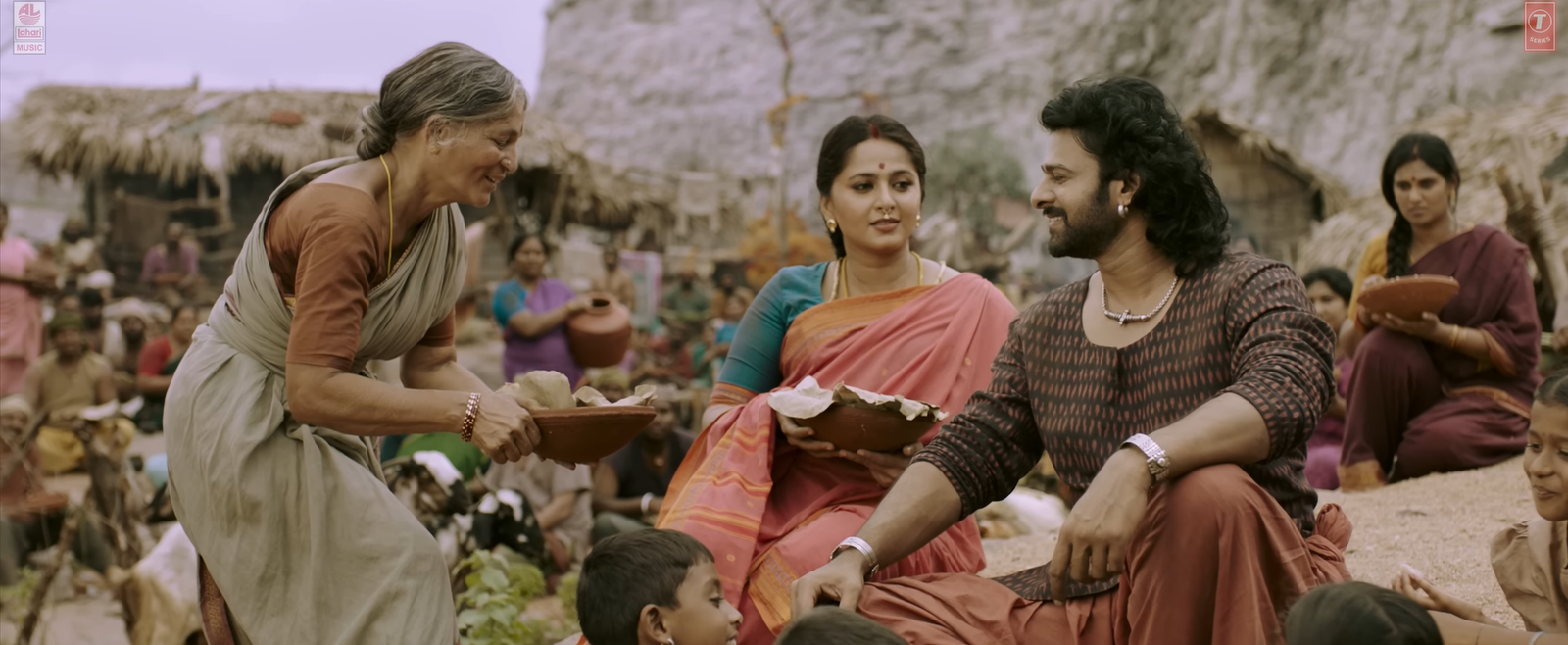
While the story is about a royal lineage, the people of Mahishmati loved Baahubali not because he was the King’s son, but because of how he treated the common man. Even when he was stripped of his royalty and lived among the people, they still bowed to him.
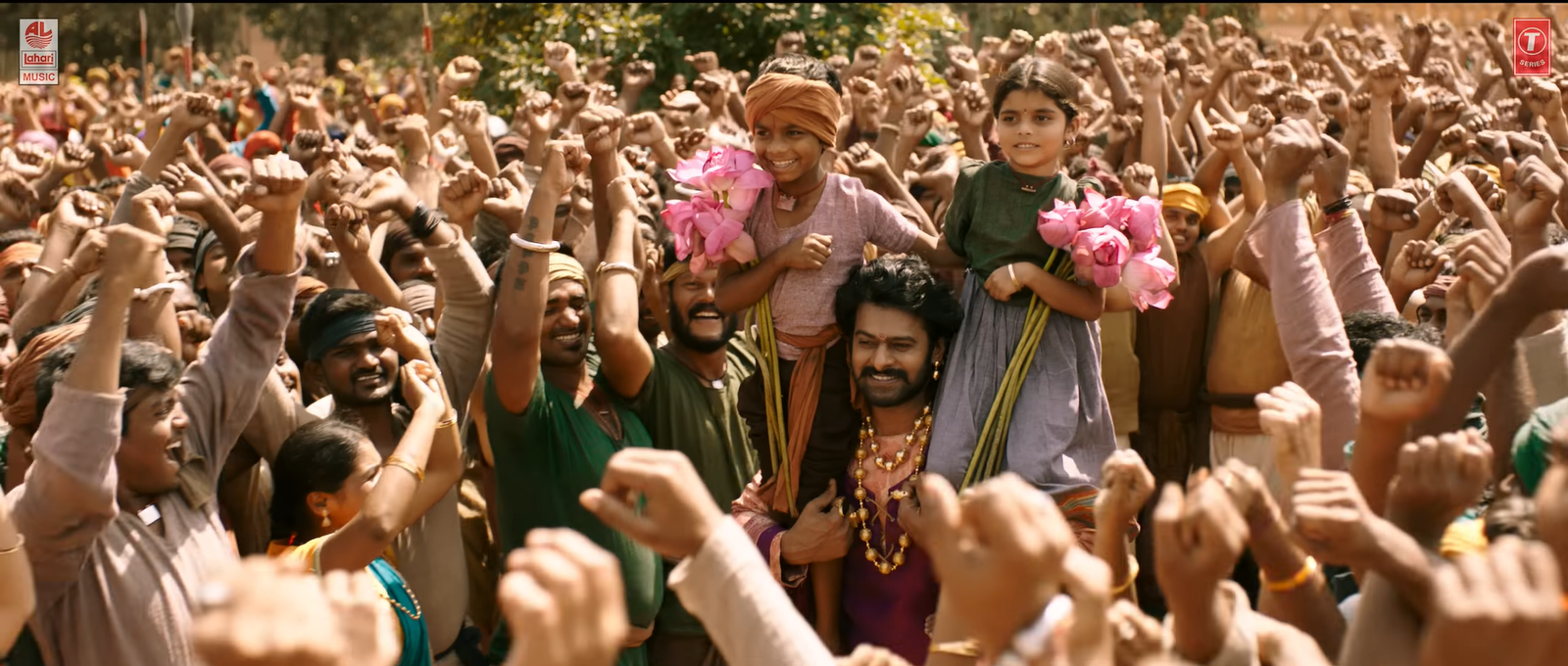
Legacy is Built by Deeds, Not Bloodlines – Image Courtesy from Dandalayya Song Lahari Music, YT Channel.
This is the ultimate life lesson from Baahubali: Your legacy isn’t your bank account or your surname. Your legacy is the way you made people feel and the positive change you left behind. Work on your character, and the “royalty” will follow naturally.
The Fatal Flaws of Sivagami: A Lesson in Parenting and Ego:
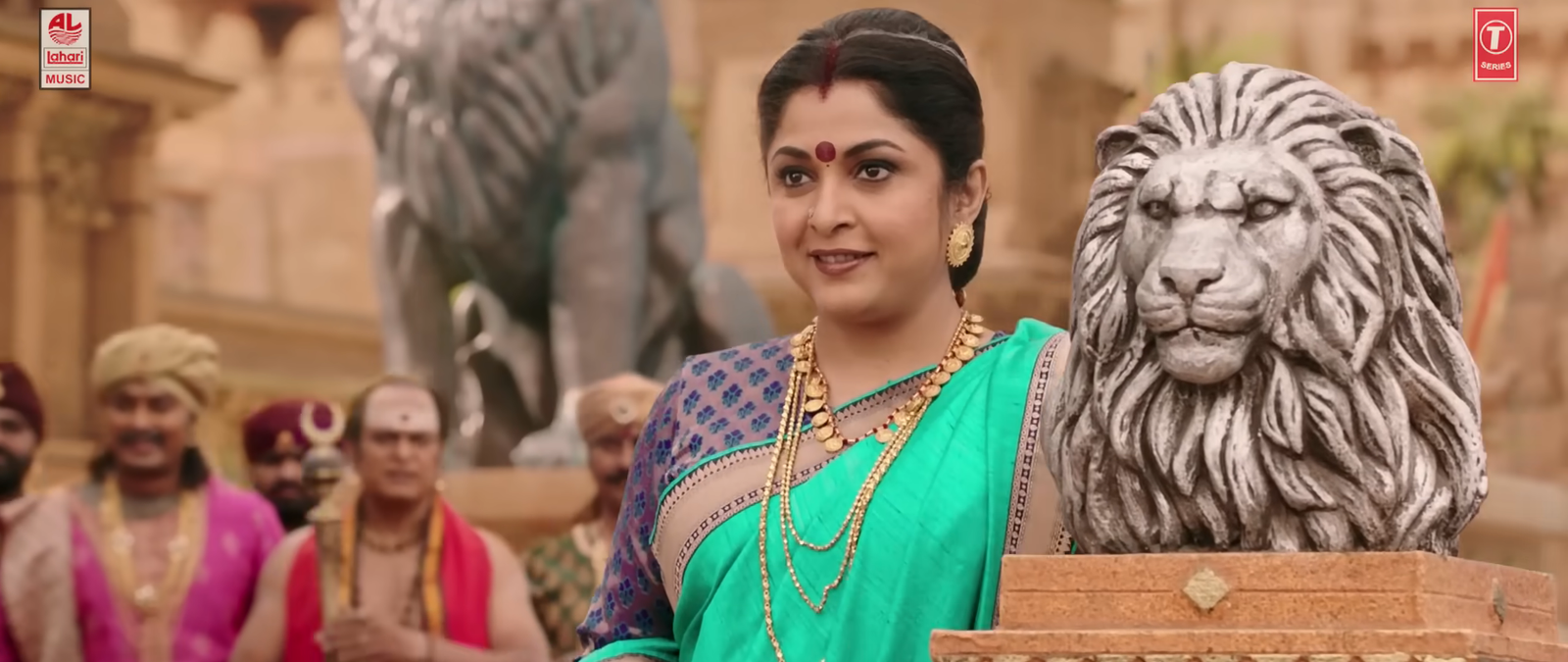
While we often focus on the heroes and villains, one of the most profound life lessons from Baahubali comes from the Rajmata herself, Sivagami. She is the pillar of Mahishmati—strong, just, and commanding. However, her journey serves as a sobering cautionary tale about how ego and rigid parenting can dismantle even the most powerful families.
The Fatal Flaws of Sivagami: A Lesson in Parenting and Ego – Image Courtesy: @vikhyat_7 XTwitter Handle
The Danger of Competitive Parenting:
Sivagami’s greatest mistake was not her lack of love, but the way she channeled it. By creating a literal “throne race” between Amarendra and Bhallaladeva, she inadvertently nurtured a toxic environment. While healthy competition can drive growth, forced comparison breeds resentment.
The Danger of Competitive Parenting – Image Courtesy: Mamatala Talli Song, Lahari music, YT Channel
In our modern lives, we see this often. Parents or mentors might compare siblings or colleagues, thinking it will motivate them. But as we see with Bhallaladeva, when a child feels they are constantly being measured against a “perfect” peer, their primary goal shifts from self-improvement to the destruction of the other. The lesson here is clear: nurture individual strengths rather than creating a battlefield for validation.
When “My Word is Law” Becomes a Prison:
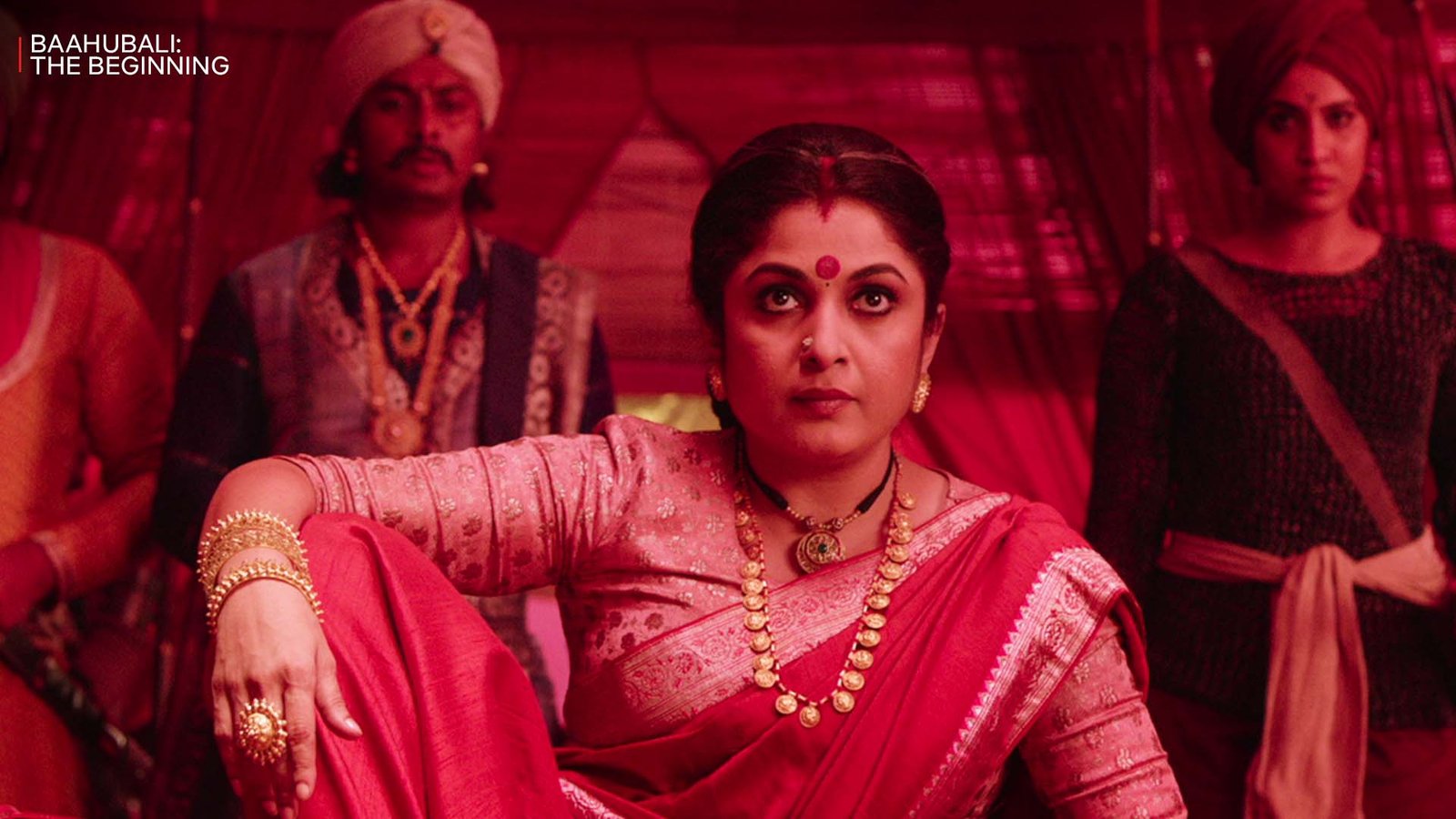
The most iconic line in the film—“Mera Vachan hi hai Mera Shasan” (My word is my law)—eventually became Sivagami’s undoing. This is a classic study of how authority, when disconnected from flexibility, turns into tyranny.
When “My Word is Law” Becomes a Prison – Image Courtesy: @Netflix_INSouth
Sivagami allowed her ego to be tied to her decrees. When she made a mistake regarding Devasena and Amarendra, her pride prevented her from listening to the truth. She viewed correction as a challenge to her authority rather than an opportunity for justice. For us, this is a vital reminder: Leadership requires the humility to admit when we are wrong. A leader who cannot change their mind eventually loses the people they lead.
The Blind Spot of Fairness:
Sivagami prided herself on being “fair.” She gave both boys the same education, the same weapons, and the same opportunities. However, she missed the most crucial aspect of fairness: emotional equity. She failed to recognize Bhallaladeva’s growing darkness because she was too focused on the external “process” of being a just queen.
The Blind Spot of Fairness – Image Courtesy: @Netflix_INSouth XTwitter Handle.
She treated them like soldiers, not sons. This teaches us that in our families and workplaces, we cannot treat everyone with a “one-size-fits-all” approach. True empathy involves looking beneath the surface to understand the unique emotional needs of those around us. If Sivagami had addressed Bhallaladeva’s insecurity early on with conversation rather than competition, the history of Mahishmati might have been bloodless.
The Cost of Rigid Tradition:
Sivagami’s downfall was also her inability to evolve. She was bound by traditions that had outlived their purpose. When Amarendra Baahubali challenged the ritual of animal sacrifice, he showed a path toward a more humane future. Sivagami, however, clung to the old ways.
The Cost of Rigid Tradition – Image Courtesy: @BaahubaliMovie XTwitter Handle
This mirrors the struggles we face today in a rapidly changing world. Whether it’s in business or social norms, clinging to “how we’ve always done it” out of a sense of ego can lead to our downfall. Evolution isn’t a betrayal of our past; it’s a requirement for our future.
Baahubali: The Torchbearer – Decoding the Legacy 10 Years Later
The Real-Life Torchbearers: Sacrifices Behind the Screen
The profound resilience we see in Mahishmati isn’t just restricted to the film’s characters; it was mirrored entirely by the team behind it. As revealed in the newly released Netflix docu-series, Baahubali: The Torchbearer, the decade-long legacy of this cinematic marvel was forged through intense financial crises, massive production setbacks, and immense personal sacrifices.
Check out the Baahubali The TorchBearer Trailer:
Hearing director S.S. Rajamouli, Prabhas, and Rana Daggubati reflect on the emotional weight and sheer willpower required to keep the project alive brings a whole new layer of meaning to the phrase “vision must be larger than your fear.” It proves that the true mark of a leader is holding the torch high when the shadows of doubt are at their darkest.
Conclusion: Becoming the Baahubali of Your Own Life:
At the end of the day, the reason we still talk about this saga years later isn’t just because of the massive statues or the war elephants. It’s because the life lessons from Baahubali mirror the internal battles we all fight in our living rooms, offices, and social circles.
Becoming the Baahubali of Your Own Life – Image Courtesy: @BaahubaliMovie XTwitter Handle.
We all have a “Kattappa” moment where our loyalty is tested, a “Sivagami” moment where our ego tries to steer the ship, and hopefully, an “Amarendra” moment where we choose to do the right thing even when it costs us everything. You might not have a literal kingdom of Mahishmati to rule, but you are the sovereign of your own life. By leading with heart, fighting with your brain, and staying true to your word, you can build a legacy that lasts far longer than any cinematic run.
I’d Love to Hear From You!
Which of these lessons hit home for you the most? Are you more inspired by Devasena’s patience or Amarendra’s integrity? Or maybe you think Sivagami was right all along?
Drop a comment below and let’s discuss your favorite takeaway from the movie. If you found this post helpful, don’t forget to share it with a fellow Baahubali fan!
Quick Recap: Life Lessons from Baahubali FAQ
What is the core message of the movie? The most vital life lesson from Baahubali is that integrity is greater than any crown. Your character defines you, not your title or status.
What does it teach us about leadership? It teaches that true leadership is built on empathy and sacrifice rather than fear and comparison. A leader’s job is to lift others up.
What can we learn from Sivagami’s mistakes? Her story serves as a cautionary life lesson from Baahubali about the dangers of ego and forced comparison in parenting and family dynamics.
How should we handle unfairness? As seen in the betrayal of Baahubali, the movie teaches us to accept our fate with dignity and resilience, even when life is fundamentally unfair.
What you love about the life lesson from Baahubali? Tell us and share in the comments section and support our work. Thank you.